Opportunities to Reduce Energy Consumption in the Plastic Industry
The plastic industry is highly energy-intensive, relying on utilities such as chillers, compressors, AHUs, and pumps. With rising energy costs and sustainability pressures, adopting energy-efficient technologies is no longer optional. Through targeted retrofits—like adiabatic cooling and VFDs for chillers, efficiency improvements in compressors, high-performance AHU fans, and pump optimization—plastic manufacturers can achieve 15–22% overall energy savings with payback periods under two years. Beyond cost reduction, these measures significantly lower carbon emissions and strengthen long-term sustainability, making energy efficiency a strategic business advantage rather than just an operational improvement.

The plastic industry is one of the most energy-intensive sectors, with utilities like chillers, compressors, air
handling units (AHUs), and pumps forming the backbone of production facilities. Rising energy costs and
increasing sustainability commitments make it essential for manufacturers to identify and adopt energy-efficient
technologies.
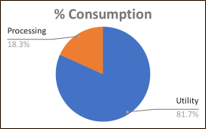
Plant Energy Consumption Data
Energy saving in plastic production
Chillers – Retrofitting with adiabatic cooling and VFDs on compressors can reduce energy use by more than 10%, without the high capital costs of new installations.
Air Compressors – Pre-cooling and filtration solutions improve efficiency and reliability, reducing load and extending equipment life.
Air Handling Units – Upgrading to advanced aerofoil plug fans with high-efficiency motors not only cuts power consumption but also improves airflow and reduces maintenance.
Pumps – Optimization and retrofitting can achieve additional savings by aligning pump operation with process requirements.
Impact & Way Forward
By adopting a mix of retrofit technologies and process optimizations, plastic manufacturers can realistically
achieve 15–22% reduction in overall energy consumption. This translates into significant annual cost savings,
with typical payback periods of less than two years.
Beyond financial benefits, energy efficiency initiatives help the industry reduce carbon emissions and strengthen
its sustainability credentials. For manufacturers, the opportunity lies in implementing proven, implementable solutions that balance performance, cost, and environmental responsibility.

